

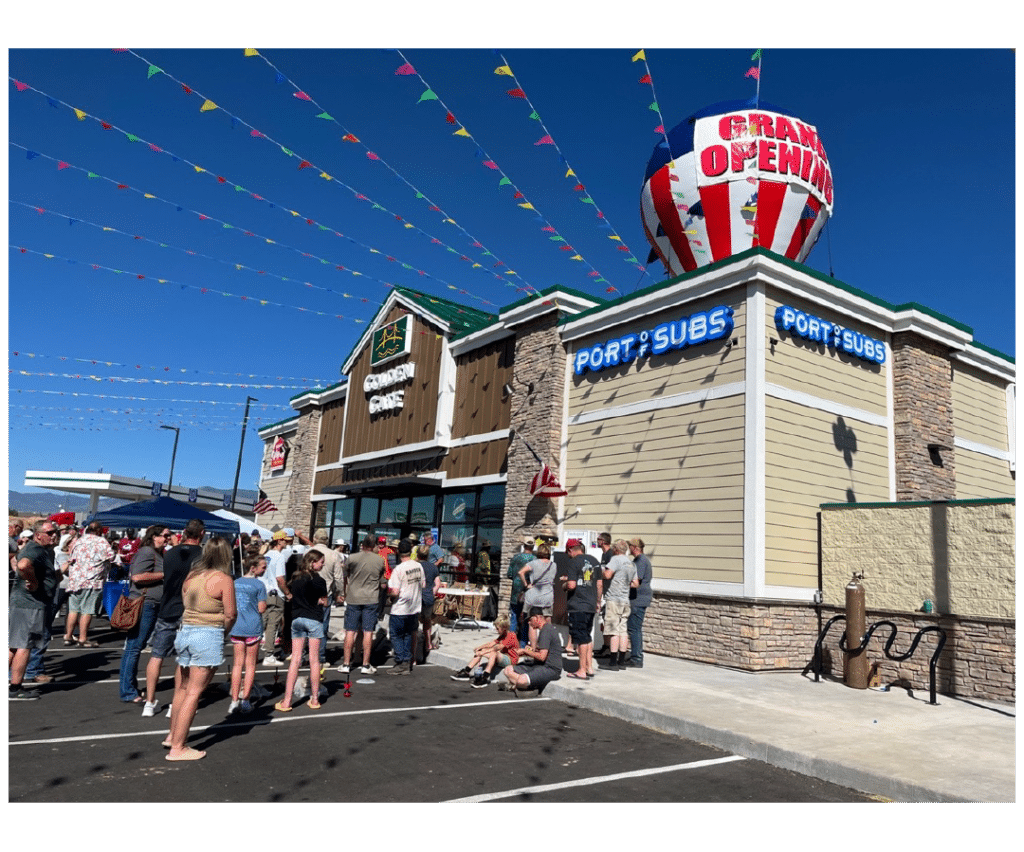
Brand, product, and operations get most of the attention in franchise research. Prospective owners study the menu, review the training program, and spend hours comparing concepts. What most don’t spend nearly enough time on — until they’re already committed — is the one decision that shapes everything else: where to open.
Location in food franchising isn’t a secondary consideration. Two franchisees operating the same brand with the same systems can produce dramatically different outcomes based entirely on where they chose to open. Understanding why — and how to get it right — separates a strategic franchise investor from one who’s simply hoping for the best.
Why Sandwich Concepts Are Especially Location-Sensitive
Not all food franchise categories respond to location the same way. A full-service restaurant draws from a wider trade area and can survive on a destination visit. A dinner-occasion concept can generate revenue even in lower-traffic locations if the experience is compelling enough to warrant a drive.
Sandwich concepts operate on a different model. They live and die on convenience and frequency. A loyal customer visits multiple times per week — but only if the location is genuinely on the way. The best sandwich restaurant location strategy puts the franchise inside the existing movement patterns of the target customer base, not somewhere customers have to make a deliberate trip to visit.
That distinction makes sandwich franchise site selection one of the highest-leverage decisions in the entire ownership journey. Get it right, and the concept’s natural demand rhythm does a significant portion of the marketing work for you. Get it wrong, and no amount of great product or exceptional service fully compensates.
The Anatomy of a High-Performing Sandwich Location
What does a strong site actually look like? The variables that matter most for a sandwich concept aren’t the same ones that dominate retail or full-service restaurant site analysis. Food franchise foot traffic in the sandwich category is built from a specific combination of factors.
Daytime population density is the starting point. Office corridors, business parks, medical campuses, and government districts generate the kind of weekday lunch volume that makes a sandwich franchise profitable at scale. A location surrounded by employers with hundreds or thousands of workers within a five-minute walk starts with a structural demand advantage that pure residential areas rarely match.
Co-tenancy matters more than most first-time franchisees realize. Opening near a gym, a fitness studio, or a health-oriented grocery store puts the franchise in front of customers who are already making conscious choices about what they eat. Opening near a school or university captures a repeat-visit demographic with strong loyalty behavior. The businesses around your location determine the quality and consistency of the customer pool walking past your door every day.
Visibility and access compound everything. Poor ingress, limited parking, or low road visibility causes a site to underperform its theoretical potential daily. The best location for a sandwich franchise checks all three boxes — strong demand generators, a receptive customer base, and a physical environment that makes stopping genuinely easy.
How to Think About Franchise Territory Selection
Franchise territory selection is the strategic frame that sits above individual site decisions. Before a franchisee identifies a specific address, they’re making a broader call about which market they want to operate in — and whether that market has the underlying demographics and competitive landscape that support a successful sandwich franchise near me opportunity.
Opening a franchise in the right area means evaluating the market at multiple levels: regional population base, co-tenant density, competitive landscape, and growth trajectory. A market with increasing employer presence and infrastructure investment compounds location value over time. A stagnant market works against the franchisee regardless of how good the individual site appears on paper.
Best cities to open a food franchise aren’t necessarily the biggest. They’re markets where demand is real, competition is manageable, and the demographic profile fits the product — often suburban corridors near major metros, mid-sized cities with strong employment bases, and markets where the sandwich category is underserved.
What Smart Franchisees Do Differently
Experienced franchise investors treat how to choose a franchise location as a research process, not a gut-feel decision. They spend time in the trade area at different hours of the day. They observe where people go for lunch, where the foot traffic peaks and valleys are, and what the parking situation actually looks like during the relevant dayparts. They talk to neighboring business owners about what drives traffic and what kills it.
They also lean hard on their franchisor’s site selection expertise. The best restaurant franchise opportunities include real support in this area — franchisors with genuine market data, demographic analysis tools, and real estate expertise that first-time owners simply don’t have access to independently. Port of Subs provides this kind of support as part of its franchise development process, helping franchisees evaluate markets and sites with the benefit of decades of operational experience across multiple states.
Location and the Total Franchise Investment Picture
A site’s rent is part of the franchise investment calculation that rarely gets enough attention. A premium location with higher rent can outperform a cheaper site with weak traffic — because incremental revenue from stronger foot traffic more than covers the additional occupancy cost. Model the full financials for each candidate site rather than comparing rent per square foot in isolation.
Sandwich shop location tips from experienced operators point consistently to the same principle: prioritize the revenue side. A higher-cost site in a strong location outperforms a cheaper site with soft traffic, nearly every time.
If you’re ready to explore available markets and own a franchise backed by a proven site selection process, Port of Subs has territories with genuine demand waiting.